How Snow and Salt Damage Concrete Garage Flooring
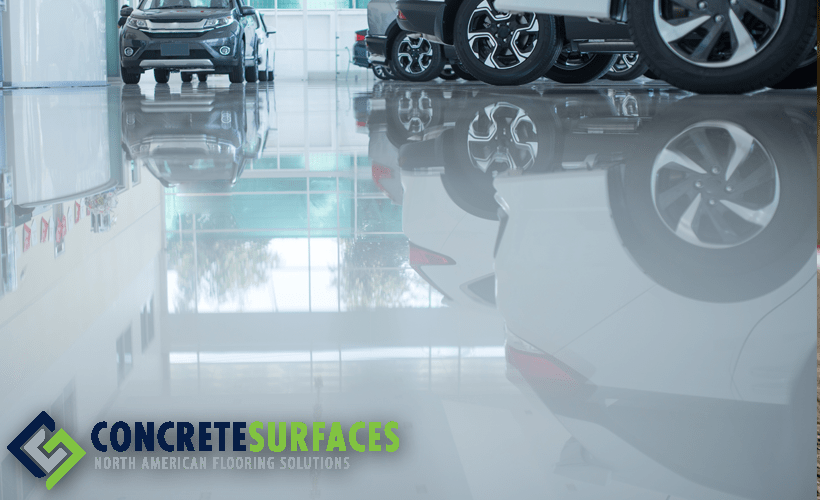
Ohio winters bring snow and ice into your garage every time you park. Water and salt from the roads mix with snow melt and seep into the porous surface of your concrete slab. This damage over time starts small but gets worse each season. Unprotected concrete garage flooring breaks down faster than most homeowners expect. American Concrete Surfaces provides reliable garage floor protection for homeowners across Cambridge, Ohio and nearby communities through professional epoxy and polyaspartic coatings.
Why Winter Weather Attacks Your Garage Floor
The effects of road salt extend far beyond helping melt ice and snow on highways. Salt triggers a chemical reaction that breaks down concrete from the inside out. Every time you drive inside a garage, your tires carry salt and dirt onto the floor. This mixture enters the tiny pores in bare concrete and begins a cycle that can damage your concrete in just one season.
The Freeze-Thaw Cycle
Salt lowers the freezing point of water. This means more liquid soaks into your concrete before it freezes. When temperatures drop at night, the moisture inside the concrete expands. During the day, it contracts. Ohio winters produce dozens of these freeze-thaw cycles during the winter months. Each cycle weakens the slab and causes the concrete to crack.
The normal freezing point of water is 32 degrees Fahrenheit. Brine solutions from road salt push this freezing point much lower, causing the concrete to absorb extra moisture before ice forms. This additional moisture creates even greater expansion pressure, which speeds up winter damage across the entire slab.
Chemical Reactions with Concrete
Salt crystals contain sodium chloride and calcium chloride. These chemicals react with the calcium hydroxide in concrete, causing the concrete to break down at a molecular level. The reaction produces new compounds that take up more space than the original materials. This expansion creates internal stress that leads to cracking.
Salt and deicers often include other chemicals that speed up damage to concrete. Ice melt products containing magnesium chloride cause faster deterioration than standard rock salt. These products clear driveways well but create harsh winter conditions for unprotected garage floors.
Common Signs of Salt Damage
Road salt damage appears in several ways. Recognizing the signs of salt damage early lets you fix problems before they spread across your entire floor.
Spalling and Flaking
Spalling occurs when the top layer of concrete peels away from the slab. You see rough patches where smooth concrete used to be. The surface looks like it is shedding material in layers. Spalling usually starts in high-traffic areas where salt exposure is greatest. Left alone, it causes serious damage to your floor structure.
Pitting and Cratering
Small holes form on the concrete surface as salt eats away at the material. These pits collect more moisture and salt, which speeds up damage to the concrete. Over time, shallow pits become deep craters that catch on shoes and create trip hazards.
Surface Cracks and Fractures
Hairline cracks spread across the floor as freeze-thaw cycles stress the concrete. These cracks let more moisture enter inside the concrete. Without treatment, small cracks become large fractures that require costly repairs or full slab replacement.
White Stains and Efflorescence
Salt stains leave white hazy marks on concrete surfaces. This buildup, called efflorescence, happens when salt rises to the surface as moisture evaporates. These stains are hard to remove salt from completely because deposits keep migrating upward from within the concrete.
How Professional Coatings Protect Your Garage Floor
A professional concrete coating creates a protective barrier between your slab and harmful winter elements. American Concrete Surfaces installs high-performance epoxy flooring, polyaspartic, and polyurea systems that block salt and moisture from reaching your concrete.
Benefits of Professional Floor Coatings
A garage floor coating delivers protection that bare concrete and DIY products cannot match:
- Seamless protection: A protective coating forms a non-porous surface that blocks salt and water
- Chemical resistance: Professional-grade materials stand up to de-icing chemicals, automotive fluids, and cleaners
- Freeze-thaw protection: Flexible coatings expand and contract with temperature changes without cracking
- Easy cleaning: Smooth surfaces let you sweep away salt residue or mop up messes quickly
- Slip resistance: Textured finishes provide traction on wet surfaces
- Long-term durability: Quality coatings last 15 to 20 years with proper care
Epoxy vs. Polyaspartic Coatings
Epoxy coatings bond tightly to concrete and resist abrasion, impact, and chemicals. They work well in garages with moderate traffic. However, epoxy needs warmer temperatures during application, and coatings cure slowly in cold weather.
Polyurea and polyaspartic coatings handle Ohio’s cold climate and harsh winter conditions better. These materials cure faster and can be applied in temperatures as low as negative 40 degrees. They flex more than epoxy, which helps them handle freeze-thaw movement without cracking. American Concrete Surfaces recommends polyaspartic flooring system options for most Ohio garages because they perform better through winter.

Why DIY Kits Fall Short
Big box store epoxy kits cost less upfront but fail to last. These thin coatings do not bond properly with concrete. They peel and chip within 18 months. If you want a coating installed correctly, professional application makes the difference.
Professional installation starts with diamond grinding to open concrete pores and create a strong bond. This preparation separates coatings that peel from coatings that last decades. You cannot repair the damage from a failed DIY kit without starting over completely.
Winter Maintenance Tips for Coated Garage Floors
Even protected floors benefit from basic care during ice and snow season. These steps keep your coating performing well throughout Ohio winters.
Regular Cleaning Routine
Follow these steps to maintain your coated garage floor during winter:
- Knock snow and slush off your car before parking when possible
- Use a floor squeegee to push standing water toward the garage door
- Sweep up loose salt and debris weekly to remove salt buildup
- Mop with warm water and mild soap every two weeks
- Rinse well to clear all soap residue
Avoid harsh chemical cleaners that can harm the coating surface. Warm water with a small amount of dish soap handles most cleaning jobs.
Protective Measures
Place rubber entry mats at doorways to catch salt before it spreads. Position mats under the front of each vehicle to collect dripping slush. These simple steps cut down the salt that reaches your floor.
Check door seals along the bottom of your garage door. Damaged seals let cold air and moisture in, which affects coating performance near the opening.
Seasonal Inspections
Check your floor coating each fall before winter arrives. Look for chips, scratches, or thin spots. Fix minor damage early to keep moisture from reaching the concrete below. American Concrete Surfaces offers inspection and touch-up services to maintain complete floor protection.
Protect Your Ohio Garage Before Winter Arrives
Salt damage gets worse each year without proper protection. The cost to repair the damage or replace a concrete slab far exceeds the investment in professional floor coating. Ohio homeowners who act now avoid costly repairs later.
American Concrete Surfaces serves Cambridge, Zanesville, New Philadelphia, Coshocton, Dover, Newark, and surrounding Ohio communities. Our team brings 25 years of experience installing epoxy, polyaspartic, polyurea, and polished concrete floors for homes and businesses. We help you choose the right coating system for your garage and budget.

Contact American Concrete Surfaces today for a free consultation on protecting your concrete garage flooring from snow and salt damage. Our trained technicians will evaluate your floor and recommend the best solution to keep your garage looking great through every Ohio winter.
The post How Snow and Salt Damage Concrete Garage Flooring appeared first on American Concrete Surfaces.
from American Concrete Surfaces https://americanconcretesurfaces.com/snow-salt-damage-concrete-garage-flooring/
via American Concrete Surfaces


Comments
Post a Comment